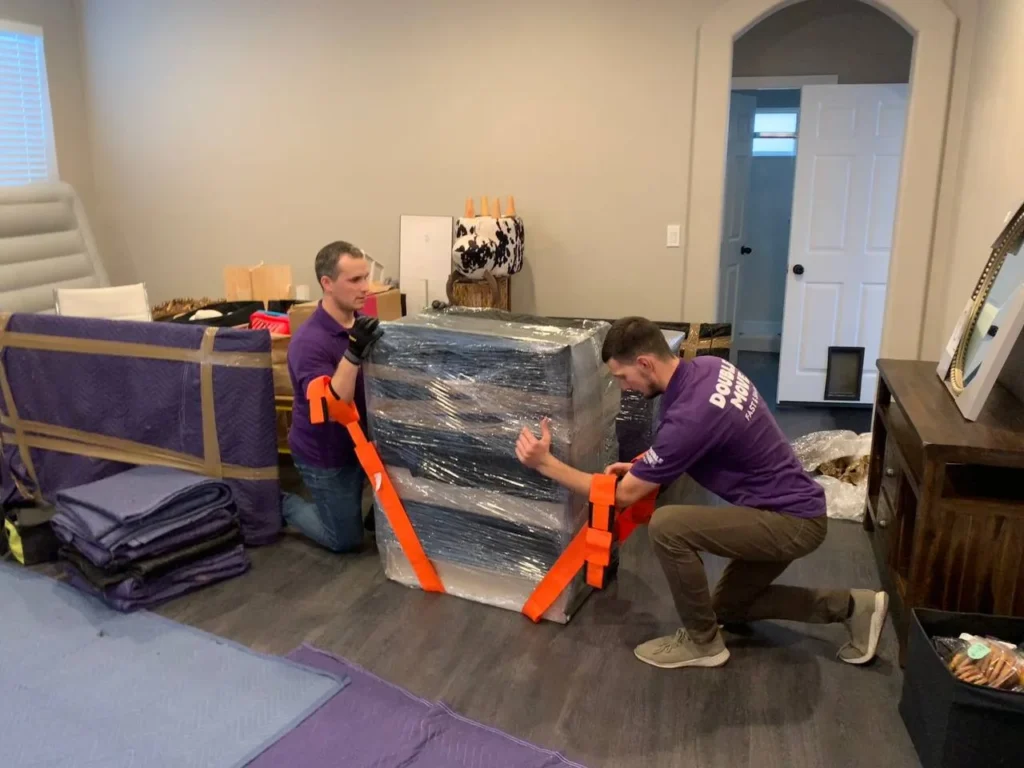
An office move runs into a few local realities that a generic national checklist won’t warn you about — time-limited loading zones downtown, elevator scheduling in Midtown high-rises, and a business landscape spread across very different districts, from Capitol Mall to the business parks in Natomas and Rancho Cordova.
This guide combines a practical office move checklist with the specific logistics of moving a business in and around Sacramento, so you can plan around what actually happens on moving day, not just what a national checklist assumes.
Why an Office Move Needs Its Own Plan
Sacramento’s business districts don’t work the same way. A downtown office near Capitol Mall deals with street parking limits and loading zone restrictions that a Natomas business park never has to think about. A Midtown building might require an elevator reservation, while a single-story office in Rancho Cordova’s business park near Mather has a loading dock and a wide-open lot instead.
A generic office move checklist treats all of this the same. A Sacramento-specific plan doesn’t, and that difference often decides whether moving day goes smoothly or turns into a parking dispute at 9am.
Office Moving Timeline: A Realistic Schedule
Most local businesses can plan a smaller office move in about six to eight weeks. Larger offices with more IT infrastructure often need three to four months.
- 6-8 weeks out: confirm your new address, notify your landlord, and start collecting quotes from commercial movers who know the Sacramento area
- 4-6 weeks out: create your IT relocation plan, order any new furniture or equipment, and confirm your moving date with your chosen mover
- 2-3 weeks out: notify vendors, update your Google Business Profile and website address, and confirm elevator or loading zone logistics with your building
- 1 week out: label everything by department, back up critical data, and confirm the final walkthrough schedule
- Moving day: execute the plan, prioritize IT setup first, and do a final walkthrough of the old space before handing back keys
Downtown, Midtown, and Suburban Business Parks: Different Logistics
Downtown Sacramento comes with real constraints worth planning around early. Commercial yellow-zone loading spots typically come with a short time limit, and trucks left unattended can get cited, so this part of an office move needs active coordination rather than just parking and unloading at your own pace. The City of Sacramento’s downtown parking programs page is worth checking before your move date, especially if your new office sits in the Capitol Mall or Central City area.
Midtown buildings, many of them older and multi-story, often require an elevator reservation for a large move — something worth confirming with building management weeks in advance, not the day before. Suburban business parks in Natomas and Rancho Cordova tend to be more straightforward, with dedicated parking and loading docks, though larger campuses sometimes have their own access rules for delivery trucks.
The IT and Equipment Checklist for an Office Move
Technology downtime is usually what employees notice first, so it deserves its own plan separate from furniture and boxes.
- Back up all critical data before moving day, regardless of how careful the move itself is
- Document network configurations and label cables and equipment by workstation
- Schedule internet and phone installation at the new address well before moving day — this often has the longest lead time of anything on the list
- Test phones, Wi-Fi, and any shared equipment before employees return to work
- Plan server relocation for after-hours or a weekend whenever possible
How to Organize an Office Move Without Losing a Full Workday
A few practical choices make the biggest difference in how fast a business gets back to normal. Moving during evenings or weekends avoids disrupting a full business day entirely. Staggering the move by department, if your office is large enough, keeps part of the team operational while another part transitions. Clear, early communication with employees about the schedule prevents the kind of confusion that turns a one-day move into a week of lost productivity.
Questions to Ask When Moving Offices
- Are you licensed and insured for commercial moves, not just residential ones?
- Do you have experience with our building type — downtown high-rise, Midtown walk-up, or suburban business park?
- Can you schedule around evening or weekend hours to limit downtime?
- How do you handle IT equipment specifically — servers, monitors, networking gear?
- What’s your process if the loading zone or elevator window falls through on moving day?
Common Mistakes During an Office Move
- Underestimating downtown parking and loading restrictions until the truck is already circling the block
- Scheduling internet installation too late, leaving a gap where the office has furniture but no connectivity
- Not confirming elevator access in Midtown or high-rise buildings until moving day
- Forgetting to update the business address across Google Business Profile, invoices, and vendor accounts
- Treating a 20-person office move like a home move, without a department-by-department plan
How Double Move Handles Office Moves in Sacramento
Double Move works with Sacramento-area businesses on office and commercial moves, and we plan around the same local realities covered here — loading zone timing downtown, elevator coordination in Midtown, and dock access in suburban business parks. We’ll walk through your specific building and timeline during a free consultation, so the plan reflects your actual office, not a generic template.
“We moved a 15-person office from Midtown to a new building near Capitol Mall. They coordinated the elevator reservation with our building management ahead of time, which saved us from finding out about it the hard way.”
— Sacramento business customer, Google review
Frequently Asked Questions
How far in advance should I plan an office move?
Six to eight weeks works for smaller offices, while larger moves with more IT infrastructure benefit from three to four months of lead time. Starting early gives you more flexibility with loading zone permits, elevator reservations, and vendor scheduling, all of which can take longer than expected in Sacramento’s downtown core.
Do I need a permit to move office furniture in downtown Sacramento?
Loading zones downtown come with time limits rather than a separate moving permit in most cases, so the practical concern is timing your truck’s arrival and keeping it actively loading rather than parked and unattended. Checking with your building management and the city’s parking programs ahead of time avoids any surprises on moving day.
How much does an office move typically cost in Sacramento?
Cost depends heavily on office size, distance, and how much IT and specialty equipment needs handling, so there isn’t a single flat number that applies to every business. A phone consultation with your specific inventory gives a far more accurate picture than a generic online estimate.
Can an office move happen over a weekend to avoid downtime?
Yes, and many Sacramento businesses choose this specifically to avoid disrupting a full work week. Weekend moves need to be booked further in advance, since that time slot tends to fill up faster than weekday availability.
What’s the biggest logistical challenge for a downtown office move?
Loading zone timing tends to cause the most last-minute stress, since commercial spots downtown have limited windows and unattended trucks risk a citation. Planning the loading sequence in advance, rather than figuring it out on arrival, is what separates a smooth office move from a stressful one.
Planning an Office Move in Sacramento?
Get a plan built around your specific building and timeline, not a generic template. Double Move handles office and commercial relocations throughout the Sacramento area. Request a free quote and we’ll walk through the logistics together.