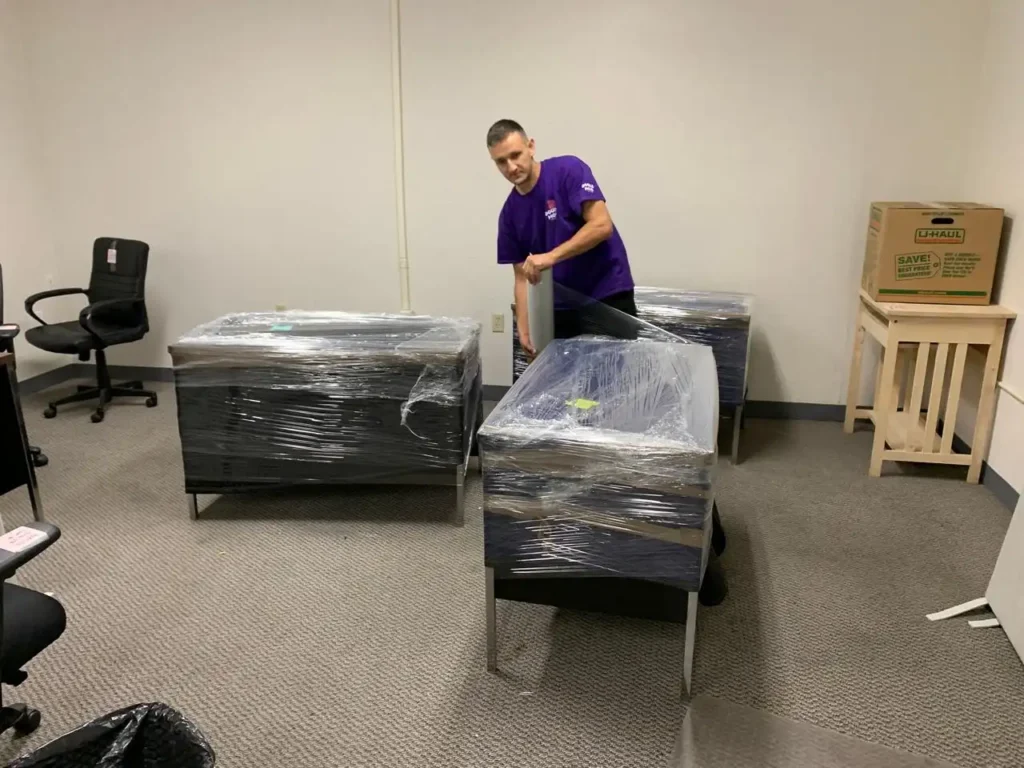
Moving is one of life’s biggest transitions — and packing is the hardest part of it. According to a 2025 survey by Anytime Estimate, packing is the most stressful (34%), most difficult (37%), and most time-consuming (43%) task of any move. Yet most people go into it without a clear plan, and that’s exactly where things go wrong.
At Double Move, we’ve helped hundreds of Sacramento families relocate smoothly. In this guide, we’re sharing the same professional packing tips our expert crew uses every day — plus a complete, printable packing checklist for moving you can follow week by week. Whether you’re moving across Sacramento or across the country, this is the only guide you’ll need.
Why Packing Like a Pro Actually Matters
Most people treat packing as an afterthought. They grab whatever boxes they can find, toss things in without a system, and hope for the best. The results are predictable: damaged belongings, chaotic unpacking, and hours of unnecessary stress.
The numbers back this up. According to FMCSA data, 20% of moves involve minor damage claims — and improper packing is one of the leading causes. Meanwhile, high-quality professional movers maintain claim rates below 2%. The difference isn’t luck. It’s method.
Packing done right means:
- Your belongings arrive safe — fragile items protected, furniture scratch-free
- The move goes faster — organized boxes load and unload more efficiently
- Unpacking is easier — labeled boxes go straight to the right room
- You save money — fewer damaged items, fewer replacement costs
“The way a box is packed tells you everything about how a move will go. A well-packed box is a safe box — every time.” — Double Move Sacramento, Lead Moving Specialist
When Should You Start Packing for a Move?
This is one of the most common questions we hear — and the answer surprises most people.
For a standard 2–3 bedroom home: start 6 weeks before your move date. For a 4+ bedroom house: give yourself 8 weeks or more.
Starting early is the single most effective stress-free moving tip you can follow. What feels like a manageable weekend project almost always expands into weeks of work when you’re dealing with years of accumulated belongings.
Here’s a simple rule of thumb:
| Home Size | Start Packing |
| Studio / 1-bedroom | 3–4 weeks before |
| 2–3 bedroom apartment or house | 5–6 weeks before |
| 4+ bedroom house | 8+ weeks before |
| Long distance move (any size) | Add 2 extra weeks |
The earlier you start, the more time you have to declutter, gather supplies, and pack thoughtfully — rather than frantically.
Essential Packing Supplies You’ll Need
Before you pack a single box, make sure you have the right materials. Trying to improvise with grocery bags and old newspapers is a false economy — it leads to damaged items and wasted time.
The professional packing supply list:
- Moving boxes — in three sizes: small (books, tools), medium (kitchen items, decor), large (linens, pillows)
- Wardrobe boxes — keep clothes on hangers; saves hours of folding and refolding
- Packing tape — heavy-duty, 2-inch width; get a tape gun dispenser for speed
- Bubble wrap — for fragile items: glassware, electronics, artwork
- Packing paper / newsprint — wrap individual items and fill box voids; avoid newspaper ink stains
- Stretch wrap / plastic wrap — bundle drawers shut, protect upholstered furniture
- Permanent markers — at least 2 colors for your labeling system
- Color-coded labels or stickers — one color per room
- Scissors and box cutters
- Furniture pads / moving blankets — protect wood surfaces and large pieces
- Zip-lock bags — for screws, cables, and small hardware
Pro tip from Double Move: Packing supplies for a 2-bedroom home average around $150–$300 if purchased new. Save money by checking local Facebook Marketplace groups, Buy Nothing groups, or your local Sacramento liquor stores — they often have sturdy free boxes.
How to Pack Like a Pro: Step-by-Step
This is where most guides go generically. We’re going to be specific, because specific advice is what actually helps you.
Step 1: Declutter Before You Pack a Single Box
Packing things you don’t need is the biggest mistake movers make. According to Anytime Estimate’s 2025 research, 22% of Americans regret not decluttering more before their move. Every unnecessary item you pack costs you time, boxes, space, and money.
Go room by room with four categories:
- Keep — moving with you
- Donate — Sacramento Goodwill, Loaves & Fishes, or local shelters
- Sell — Facebook Marketplace, Craigslist, or a garage sale
- Trash — dispose responsibly (Recology Sacramento for bulk items)
A good declutter session before a 3-bedroom move can eliminate 20–30% of your total volume. That’s real savings on boxes, truck space, and labor.
Step 2: Pack Room by Room — Never Mix
The single most important packing rule professionals follow: one room, one box, always. Mixing items from different rooms into one box to “save space” creates chaos at the destination and makes unpacking take twice as long.
Pack in this order (non-essential to essential):
- Storage areas — attic, garage, basement
- Seasonal items — holiday decor, out-of-season clothes
- Books and media
- Guest room
- Home office
- Living room decor and non-daily items
- Bedroom clothing and linens
- Kitchen (leave 1 week of essentials until last)
- Bathroom (leave toiletries until the final day)
Step 3: Master the Art of Box Packing
A properly packed box protects its contents and keeps its shape during stacking. Here’s the professional formula:
The layer method:
- Bottom layer: heaviest items (books, pots, tools) — never over 50 lbs per box
- Middle layer: medium-weight items wrapped in packing paper
- Top layer: lightest items (clothing, linens, soft goods)
- Fill voids: crumple packing paper to eliminate any empty space — shifting is what breaks things
Rules for fragile items:
- Wrap each piece individually in bubble wrap or at least 3 layers of packing paper
- Never stack plates flat — pack them vertically like records in a crate
- Fill glasses with crumpled paper from inside, then wrap outside
- Label every fragile box on all four sides AND the top
- Never place heavy items on top of fragile boxes during loading
Box weight rule: If you can’t comfortably lift the box with both hands, it’s too heavy. Split it.
Step 4: Label Every Box — With a System
Labeling is where most DIY packers cut corners. Don’t. A proper labeling system saves hours on move-in day and prevents the dreaded “where did I pack the coffee maker?” situation.
The Double Move labeling method:
- Top of box: room name + contents summary (“KITCHEN — pots, lids, small appliances”)
- Side of box (at least two sides): same information — visible when stacked
- Priority level: mark “OPEN FIRST” on boxes you’ll need immediately
- Fragile: bold, red marker on every side for breakables
- Color coding: assign one color label per room — blue for master bedroom, green for kitchen, etc.
Write on the box before you seal it and again after — the marker often bleeds through the tape otherwise.
Step 5: Protect Furniture and Large Items
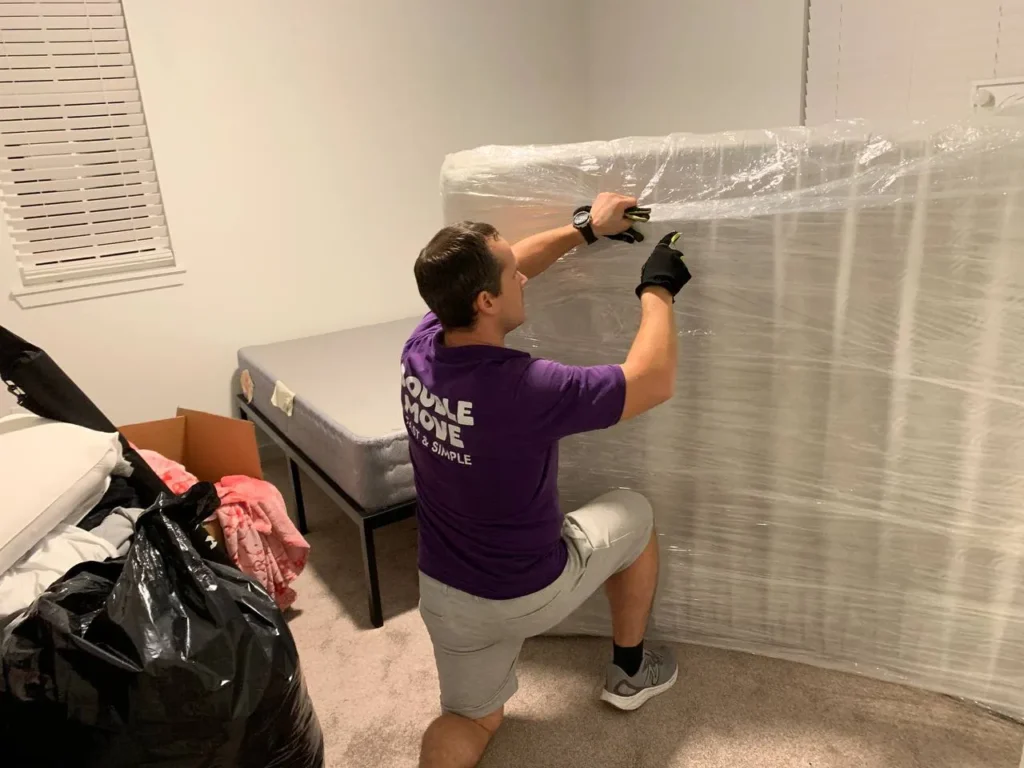
Furniture damage is the most common — and most preventable — moving complaint. Professional movers never load bare wood furniture into a truck.
How to prep large items:
- Disassemble what you can — bed frames, shelving units, dining tables; keep all hardware in labeled zip-lock bags taped to the furniture
- Wrap every wooden surface in moving blankets or furniture pads before anything touches a truck wall
- Stretch wrap upholstered pieces (sofas, mattresses) to protect fabric from dirt and tears
- Remove glass from frames and wrap separately; transport upright, never flat
- Appliances: defrost fridge 24–48 hours before moving; secure washer drum with transit bolts
“I thought wrapping furniture was overkill until Double Move showed up. They wrapped everything, and not a scratch on any of our pieces — even through a tight stairwell.” — Maria T., Sacramento (Google Review, ★★★★★)
Step 6: Pack Your Essentials Box Last
Your essentials box — sometimes called the “first night box” or “open first box” — is the single most important thing you’ll pack. This goes in your personal vehicle, not the moving truck.
What goes in your essentials box:
- Toiletries: toothbrush, toothpaste, soap, shampoo, toilet paper
- Medications and vitamins
- Phone/laptop chargers and a power bank
- One change of clothes per person (including sleepwear)
- Bedding for the first night (or a sleeping bag)
- Important documents: IDs, passports, lease/mortgage papers, insurance cards
- Kids’ comfort items and a few toys
- Pet food, leash, and travel items
- Snacks and a few easy-prep food items
- Cash and a credit card accessible
- Basic tools: screwdriver, box cutter, scissors
Label this box in bright red: “OPEN FIRST — ESSENTIALS”
Pro Tips for Long Distance Moves from Sacramento
If you’re moving long distance — to another California city, another state, or across the country — your packing checklist for a long distance move needs a few extra steps.
Additional tips for long distance packing:
- Inventory everything. Create a detailed written or photo inventory of all high-value items before they go on the truck. This is essential for insurance claims if something is damaged in transit.
- Upgrade your insurance. Basic carrier liability (typically $0.60 per pound) is not enough for a long distance move. Ask Double Move about full-value protection coverage before your move date.
- Double-wrap fragile items. Long distance moves mean more road vibration, more handling, and longer time in the truck. What would survive a 20-minute local move may not hold up over 500 miles.
- Don’t pack items you can’t replace. Irreplaceable documents, family photos, heirlooms, jewelry, and medications should travel with you in your vehicle — never in the moving truck.
- Seal boxes with extra tape. A cross-tape pattern on the bottom of every box (not just one strip) prevents blow-outs when boxes are stacked and jostled over long distances.
- Label with destination room AND contents. On long distance moves, the team unloading is often different from the team that loaded. Clear labeling means boxes end up in the right room without any guesswork.
- Plan for weather. Sacramento summers are hot. If your truck will be sitting for a day or more, keep temperature-sensitive items (candles, vinyl records, electronics, artwork) climate-controlled or with you.
Common Packing Mistakes to Avoid
Even experienced movers fall into these traps. Learn from the most frequent errors we see:
1. Overpacking boxes Heavier than 50 lbs = risk of box collapse and back injuries. Books in particular are heavy — always use small boxes for them.
2. Under-filling boxes Leaving air space means boxes collapse when stacked. Fill every void with packing paper or clothing.
3. Packing everything — including what you should throw away Moving is the perfect time to declutter. Every unnecessary item you pack is money and effort wasted.
4. Skipping labels “I’ll remember what’s in here” — no, you won’t. After 20+ boxes, everything blurs together. Label as you go, not after.
5. Mixing rooms in one box Kitchen items in the bedroom box creates an unpacking nightmare. One room, one box. Always.
6. Leaving drawers and shelves full Full dressers and bookcases shift weight unpredictably, damage furniture joints, and create safety hazards for movers. Always empty them before loading.
7. Packing liquids improperly Seal all liquid containers with tape over the lid, place upright, and put in separate sealed bags. One leaking shampoo bottle can ruin an entire box of clothing.
8. Forgetting an essentials box If your essentials box ends up buried in the truck, your first night in a new home will be miserable. This box always goes in your personal vehicle.
Should You Hire Professional Packers in Sacramento?
DIY packing makes sense for some situations — but not all. Here’s an honest breakdown of when professional packing services are worth every dollar:
Hire professional packers if:
- You’re short on time (less than 3 weeks to move)
- You’re moving a large home (4+ bedrooms)
- You have many fragile, high-value, or specialty items (artwork, antiques, wine collections)
- You’re doing a long distance move and need insurance-backed packing
- You have physical limitations that make packing difficult
DIY packing works well if:
- You have 6+ weeks and can work systematically
- Your home is small (studio, 1-bedroom)
- You’re comfortable with packing basics and have the right supplies
- Budget is the primary concern
At Double Move Sacramento, we offer full-service packing, partial packing (just the fragile items), and packing supply delivery — so you can choose as much or as little help as you need. Our professional packers are trained in the same techniques outlined in this guide, and your belongings are covered under our protection plan.
Ready to Move? Double Move Sacramento Has You Covered
Packing is a skill — and like any skill, it gets easier with the right guide and the right team behind you. Use this expert packing checklist for moving as your roadmap, and you’ll arrive at your new home with every box intact, every item where it belongs, and your first night actually feeling like a fresh start.
Whether you need full-service packing and moving, or just want a reliable Sacramento moving crew to handle the heavy lifting while you manage the boxes — Double Move is here for every step.
Call us today for a free, no-obligation quote. Or request your estimate online at packing and unpacking services
Serving Sacramento, Elk Grove, Roseville, Folsom, Natomas, Midtown, and all surrounding areas.